Smart Waste Collection Robot
"An Autonomous Robot for Intelligent Waste Detection, Collection, and Segregation."
An intelligent robotic waste collection system designed to identify, classify, and collect garbage automatically using computer vision, smart optical sensing, and autonomous LiDAR navigation.
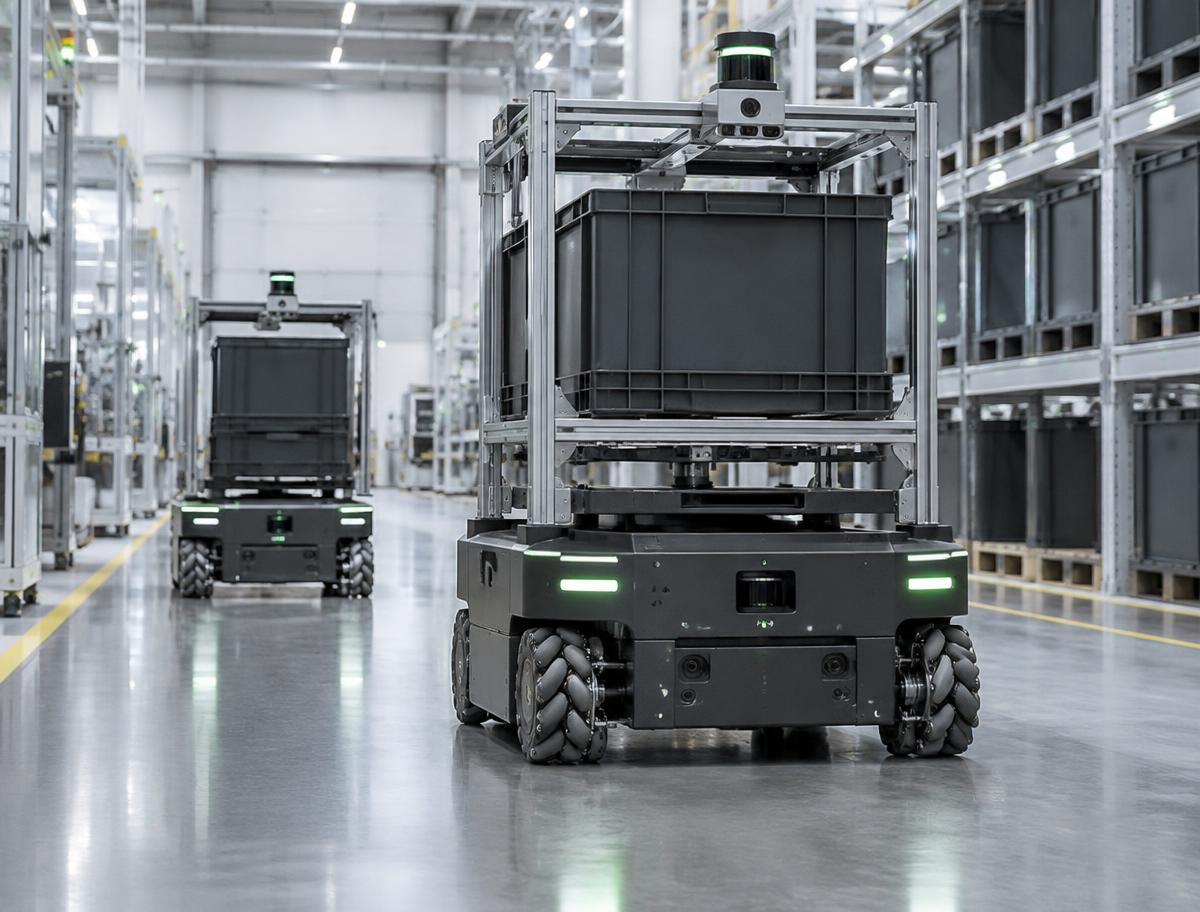
Why Do We Need It?
Urban areas generate massive waste daily. Manual collection is expensive, slow, and exposes workers to health risks.
Overflowing Dustbins
Public and campus bins fill up unpredictably between scheduled rounds. Overflow leads to secondary street litter, noxious odors, and pest infestations.
Littering in Public Areas
Cigarette butts, food wrappers, and plastic beverage bottles discarded across sidewalks, parks, and plazas degrade municipal hygiene and aesthetic appeal.
High Manual Collection Cost
Relying solely on manual labor is expensive, physically exhausting, and exposes sanitation workers to chronic ergonomics injuries and hazardous materials.
Solution Overview: Integrated Robotics Platform
The robot acts as an all-in-one autonomous sanitary scout, scanning ground pathways, detecting scattered trash, avoiding dynamic foot traffic, and collecting litter into segregated compartments.
Core Autonomous Operating Checklist
How It Works: 6-Step Autonomous Workflow
From initial surface scanning to sorted storage and cloud telemetry reporting.
Camera Scans Area
Wide-angle RGB and depth vision sensors scan pathways, floors, and street surfaces.
AI Detects Waste
Edge neural network running YOLO identifies waste items and distinguishes them from static obstacles.
Robot Moves to Target
Autonomous navigation stack plans safe path around pedestrians and obstacles directly to the waste location.
Picks Up Waste
Compliant motorized robotic gripper or vacuum mechanism retrieves the item safely from ground surface.
Segregates Waste
Classified waste is routed into partitioned organic, recyclable, or non-recyclable onboard bins.
Updates Database
Robot transmits real-time telemetry, location timestamps, and bin fill levels to the cloud dashboard.
Hardware & Software Stack
Co-designed hardware and edge AI architecture for high-accuracy waste collection in public environments.
Hardware Subsystems
Software & AI Stack
Key Features & System Capabilities
Designed for continuous outdoor and indoor autonomous sanitary maintenance.
Object Detection
High-accuracy camera model recognizes plastic bottles, cans, paper, cartons, and wrappers under varied outdoor sunlight and shadows.
Obstacle Avoidance
Combines ultrasonic sensors and planar LiDAR to detect moving pedestrians, parked vehicles, and curbs within 5 meters with sub-second braking.
Waste Segregation
Automated sorting mechanism deposits collected trash into dedicated onboard compartments to simplify downstream municipal recycling.
Real-Time Monitoring
4G/Wi-Fi telemetry streams GPS coordinates, patrol routes, operational logs, and live bin volume to facility managers.
Battery Efficient
Low-power edge compute and regenerative braking deliver 6 to 8 hours of continuous operation on a single charging cycle.
Smart Analytics
Generates heat maps of high-litter zones and daily collection volume trends to help facilities optimize cleaning schedules.
Robot System Architecture Diagram
Dual-path dataflow bridging real-time low-latency motor control with cloud telemetry synchronization.
Project Results & Operational Impact
Measured across real-world testing environments in public plazas and corporate campus grounds.
Gallery & Hardware Engineering
A comprehensive look at our prototype design, electro-mechanical assembly, and real-world trials.
Robot Prototype
All-terrain mobile robotics chassis with sensor mast and integrated vision enclosure.
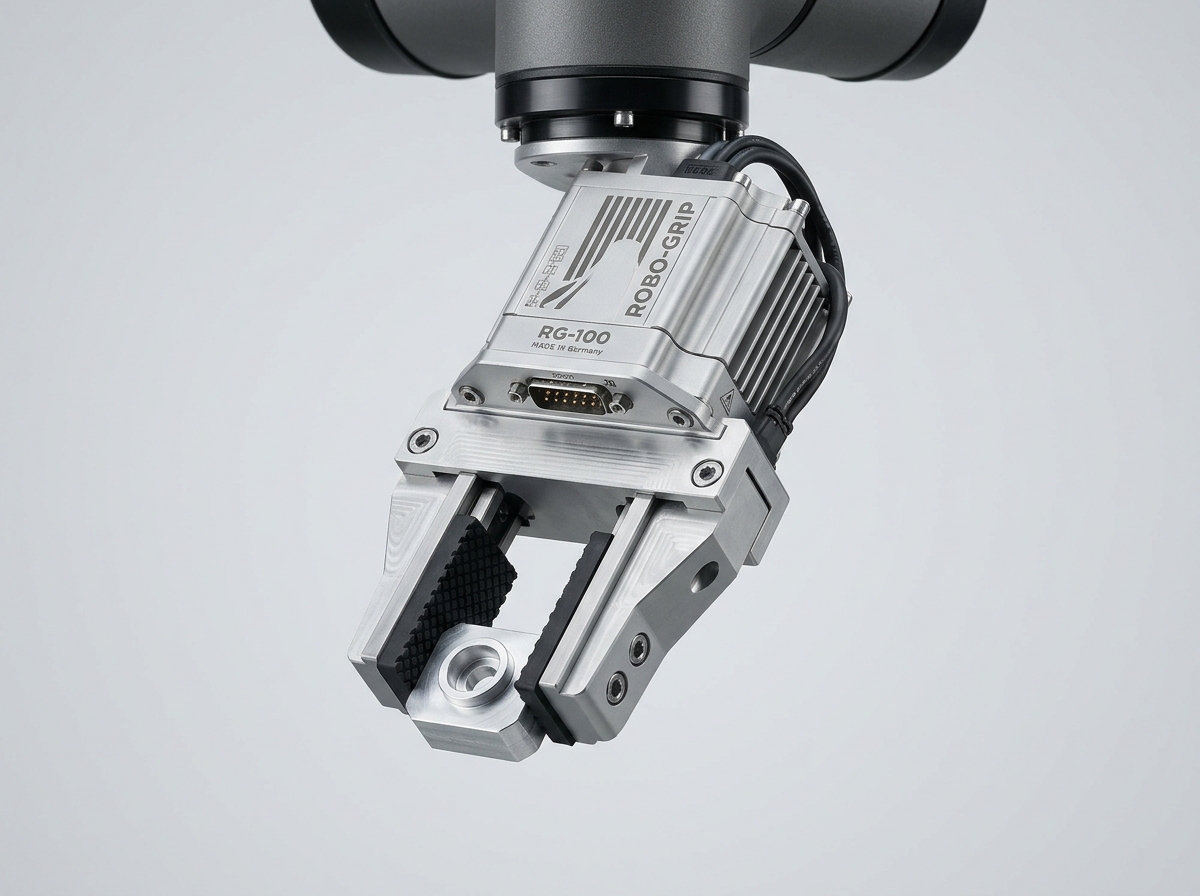
Working Mechanism
High-torque multi-degree-of-freedom robotic arm with adaptive compliant pickup gripper.
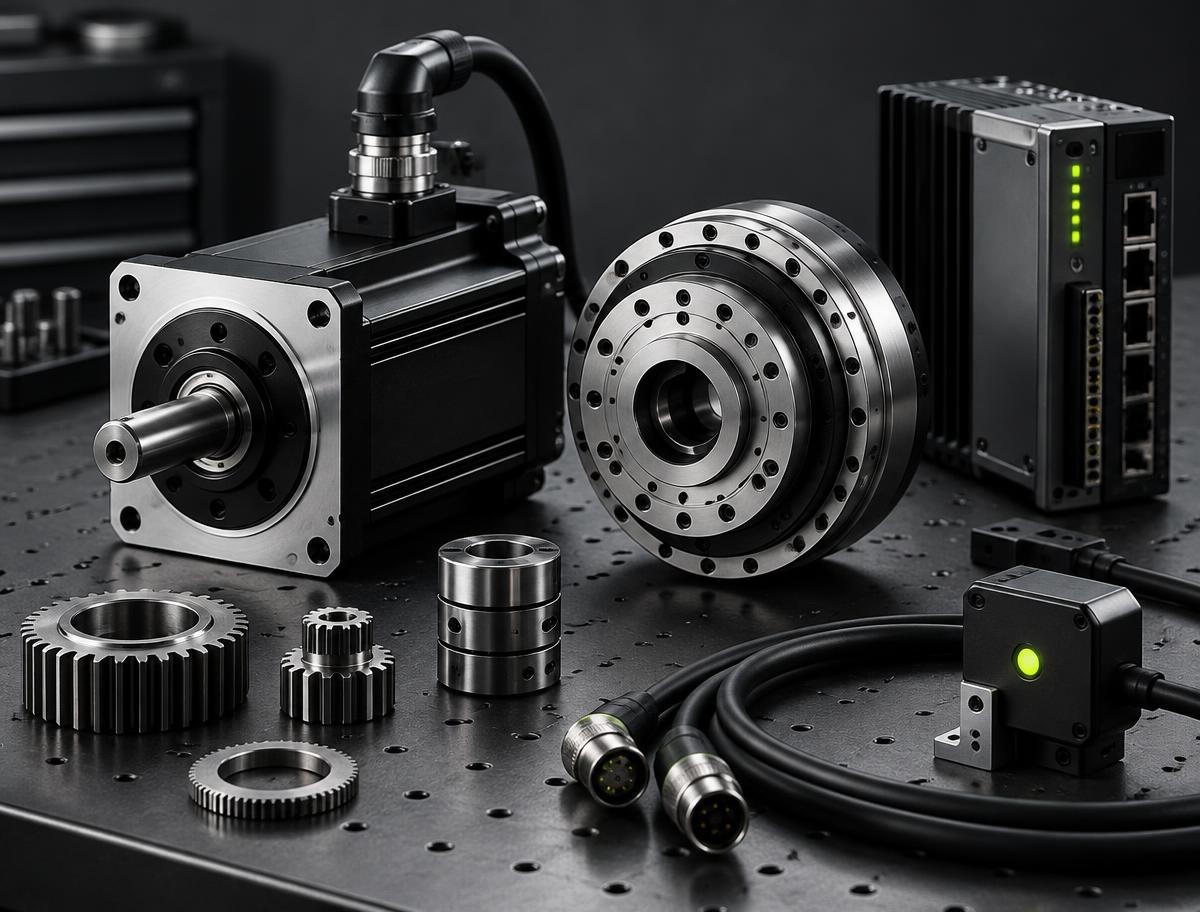
Hardware Assembly
Compact embedded electronics housing, dual motor drivers, and regulated power distribution.
Field Testing
Real-world path traversal, obstacle avoidance, and waste retrieval testing on municipal pavement.
Future Enhancements & Roadmap
Advancing autonomous sanitation with renewable energy, swarm intelligence, and municipal integration.
Solar Charging
Rooftop photovoltaic solar canopy integration for continuous daytime energy replenishment in parks and plazas.
Smart Bin Integration
Autonomous docking and auto-emptying protocol with municipal smart compactors via ultrasonic level triggers.
AI Route Optimization
Predictive routing algorithms using historical litter pattern heatmaps to prioritize heavy foot-traffic areas.
Multi-Robot Collaboration
Coordinated swarm dispatch allocating partitioned zones across corporate campuses and smart cities.
IoT Monitoring Mobile App
Native Android/iOS application for ground facility teams with live push alerts, battery indicators, and map tracking.
Interested in Pilot Testing on Your Campus or Facility?
We deploy pilot trial units for smart cities, educational campuses, industrial sites, and commercial spaces.
Interactive Operational
ROI & Payback Calculator
Adjust the operational variables below to evaluate potential labor redeployment savings, operational payback duration, and projected 3-year net ROI for your facility.
Projected Financial Returns Breakdown
Deploy Smart Robotics
at Your Facility
Schedule a comprehensive site evaluation with an INDUS robotics architect. We evaluate ground topologies, waste classification requirements, and calculate precise payback timelines for your property.
Ready to Deploy Autonomous Waste Robotics?
Connect directly with an INDUS robotics architect to evaluate your campus or facility and conduct an on-site feasibility survey.