INDUS
Precision Motion & Automation
ISO 9283 / DIN 3990 / IEC 600344 Verified Products

Robotic Arms

Multi-axis motion with repeatable positioning.

A robotic arm coordinates several actuated joints so a tool can reach a position and orientation within a defined work envelope. Four-axis arms suit planar handling and palletising-style tasks; six-axis arms add the orientation freedom needed for welding, assembly, and complex part presentation. Payload, reach, repeatability, and the end effector are decided together, because each one constrains the others.
Verified Ranges4 Models
Product Families4 Architectures
Traceability100% Calibrated
Robotic Arms industrial component
Verified Industrial HardwareISO Compliant
Section B: Technology Navigation•Filter by Product Family
4 Configured Mechatronic Subfamilies
Family:
Sort:
Showing 4 of 4 verified products
Adheres strictly to verified datasheets
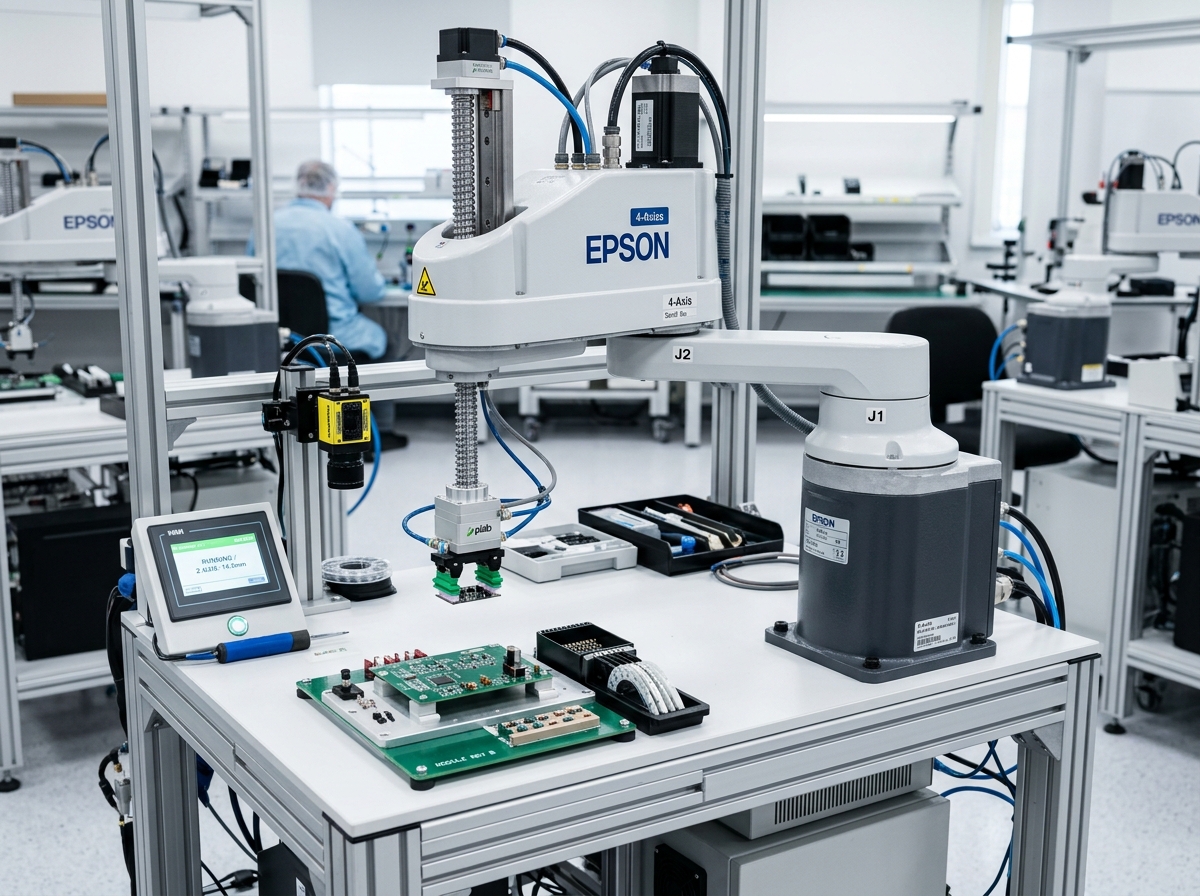
4-Axis Robots industrial component
IND-ARM-SCA-600-H
Verified
Robotic Arms

4-Axis Robots

Fast SCARA and Cartesian robotic arms optimized for planar assembly and packaging cycles.

Nominal Wrist Pa…3.0 kg
Maximum Payload …6.0 kg
Horizontal Maxim…600 mm
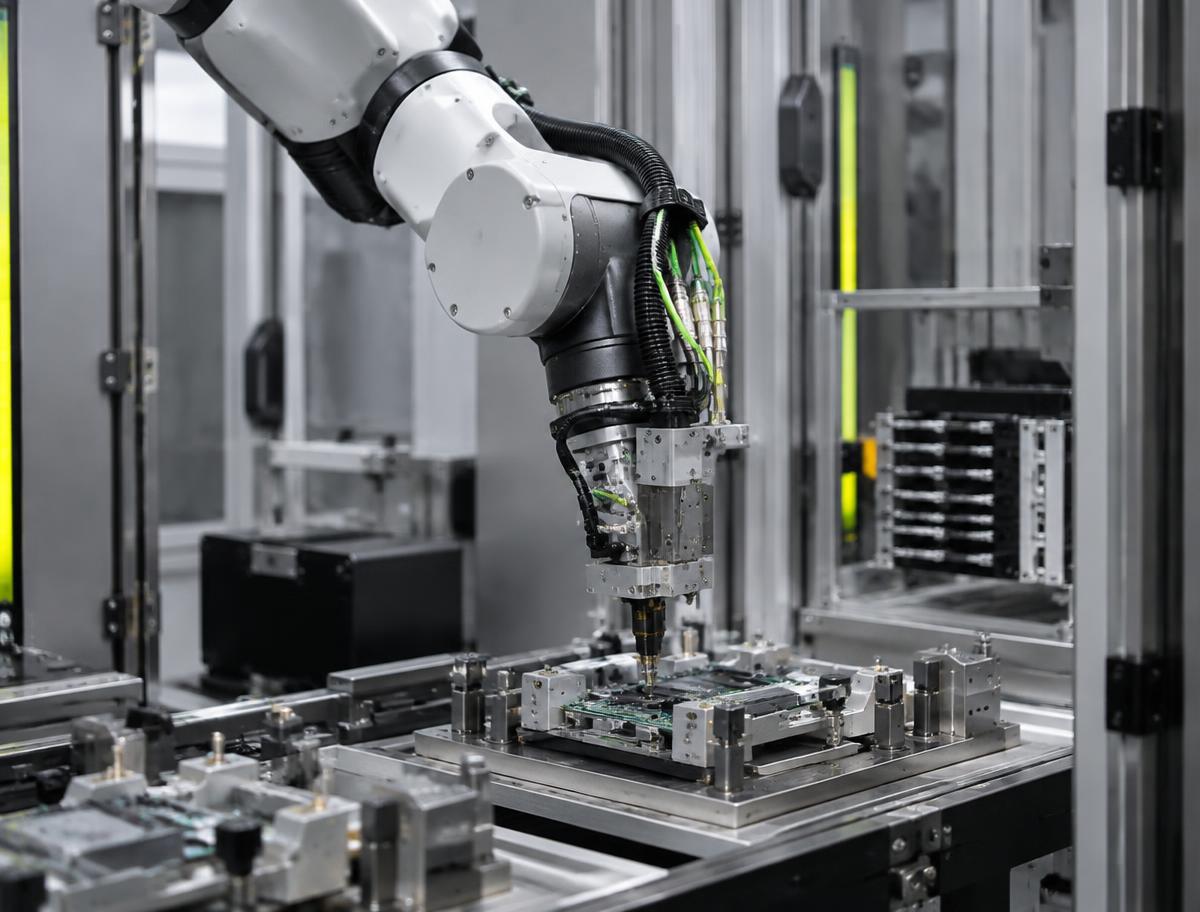
6-Axis Robots industrial component
IND-ARM-6AX-1400-P
Verified
Robotic Arms

6-Axis Robots

Flexible multi-axis platform for complex welding, machine tending, and precision assembly tasks.
Rated Wrist Payl…12.0 kg
Maximum Payload …15.0 kg
Maximum Spherica…1420 mm
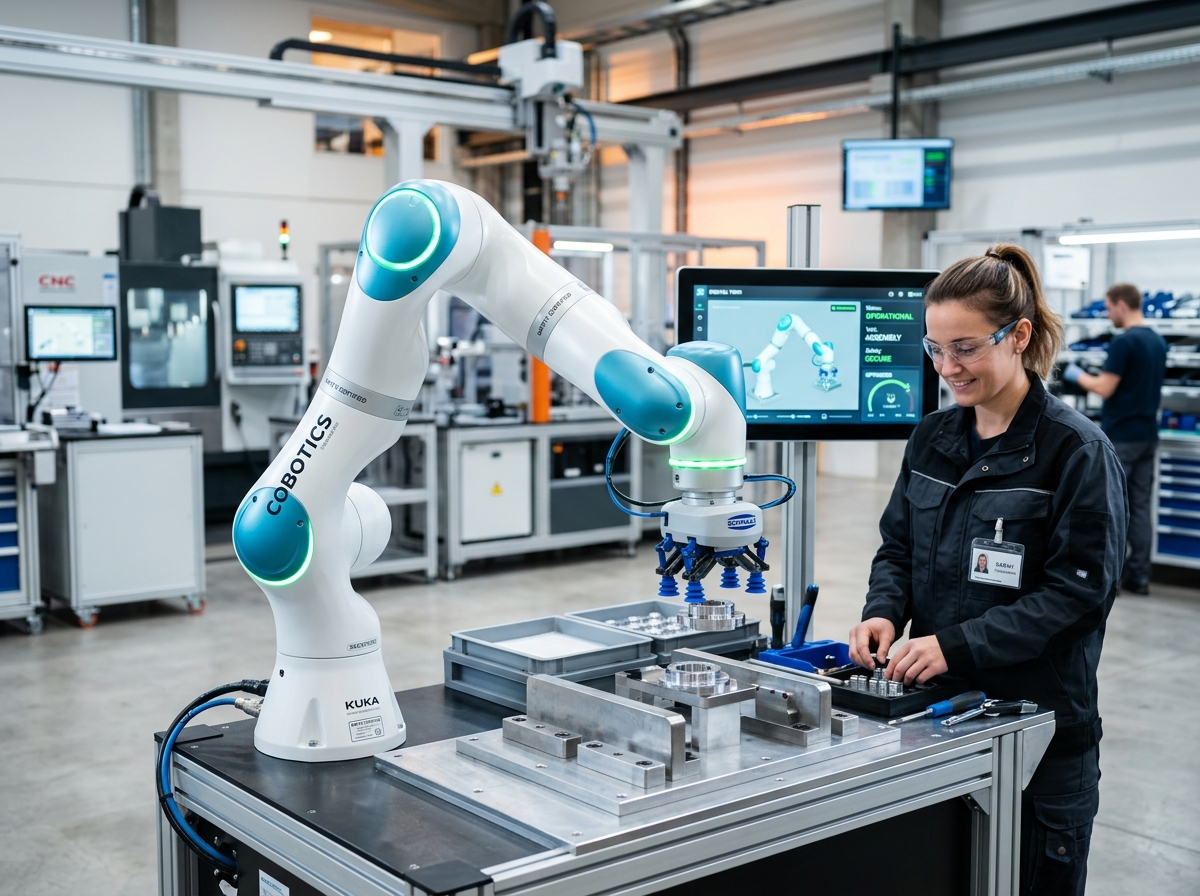
Collaborative Robots industrial component
IND-ARM-COB-1000-C
Verified
Robotic Arms

Collaborative Robots

Safe, lightweight collaborative robot with intuitive hand-guided teaching and joint torque sensing.
Rated Wrist Payl…10.0 kg
Maximum Working …1300 mm
Pose Repeatability±0.030 mm
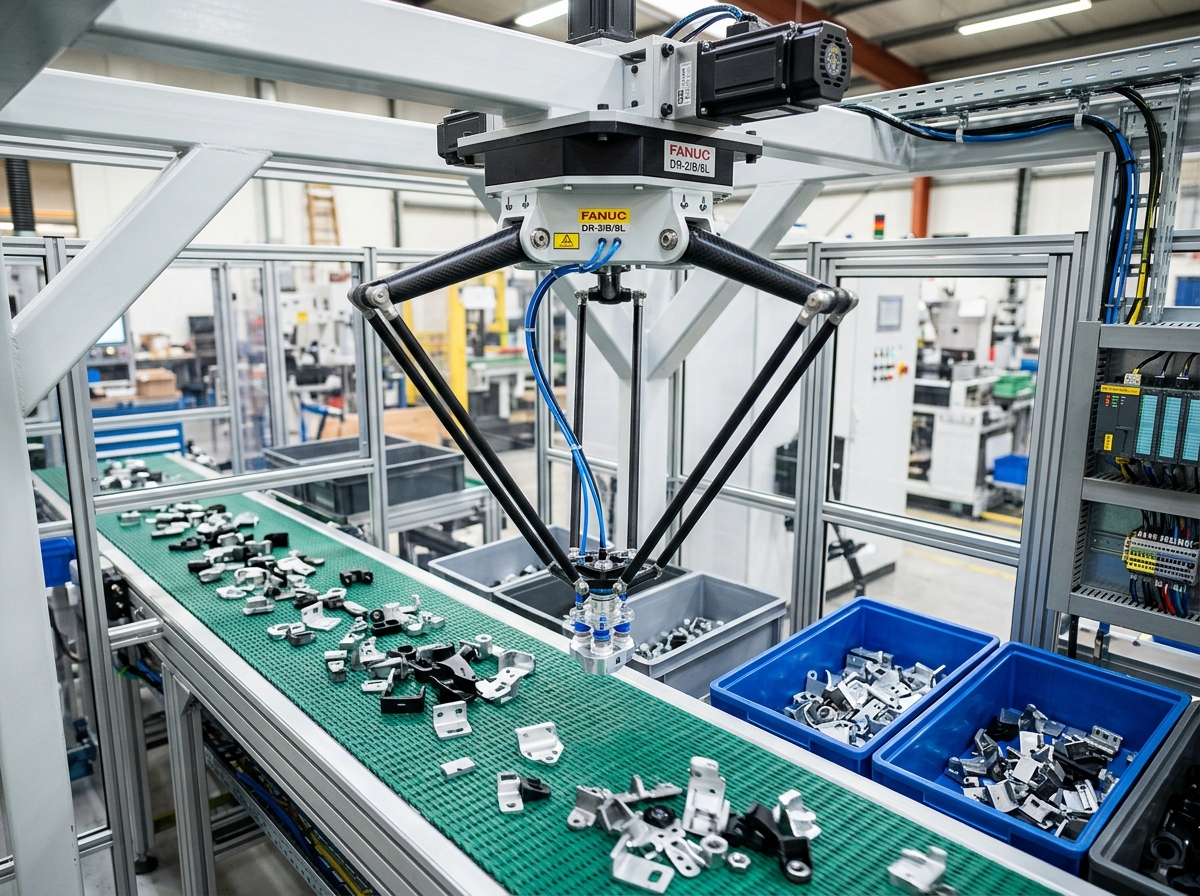
Pick & Place Robots industrial component
IND-ARM-DLT-1200-F
Verified
Robotic Arms

Pick & Place Robots

Ceiling-mounted delta robot achieving up to 180 picks per minute on moving conveyor lines.

Rated Payload Ca…3.0 kg
Maximum Payload …6.0 kg
Working Envelope…1200 mm
Section E: Engineering Specification

Technical Selection Guidance for Robotic Arms

Specifying the appropriate robotic drivetrain and automation hardware requires a holistic evaluation of mechanical stiffness, duty cycle thermals, reflected inertia, and fieldbus communication latency.

Primary Engineering Selection Factors

Kinematic & Dynamic Verification
  • Required payload capacity including end-of-arm tooling and offsets
  • Spherical reach radius and work envelope clearance boundaries
  • Path repeatability (ISO 9283) required by process tolerances
  • Cycle time targets and resulting joint angular acceleration rates
  • Safety category (guarded cell vs power-and-force limited cobot)

System Integration Considerations

Control Bus & Power Architecture
  • Payload including the end effector, cabling, and any carried part
  • Reach and the shape of the required work envelope
  • Repeatability needed by the process, and how it is measured
  • Cycle time targets and resulting acceleration demands
  • Safety strategy: guarding, collaborative operation, or both
Section F1: Field Deployment

Primary Industrial Applications

Validated manufacturing tasks where Robotic Arms delivers proven precision and uptime.

Automotive

Production Verified

Electronics

Production Verified

Manufacturing

Production Verified

Logistics

Production Verified

Inspection

Production Verified
Application Engineering Support

Need Assistance Sizing Robotic Arms?

Our application engineers can verify inertia ratios, motor torque curves, duty cycle thermals, and fieldbus synchronization parameters for your machinery before purchase.